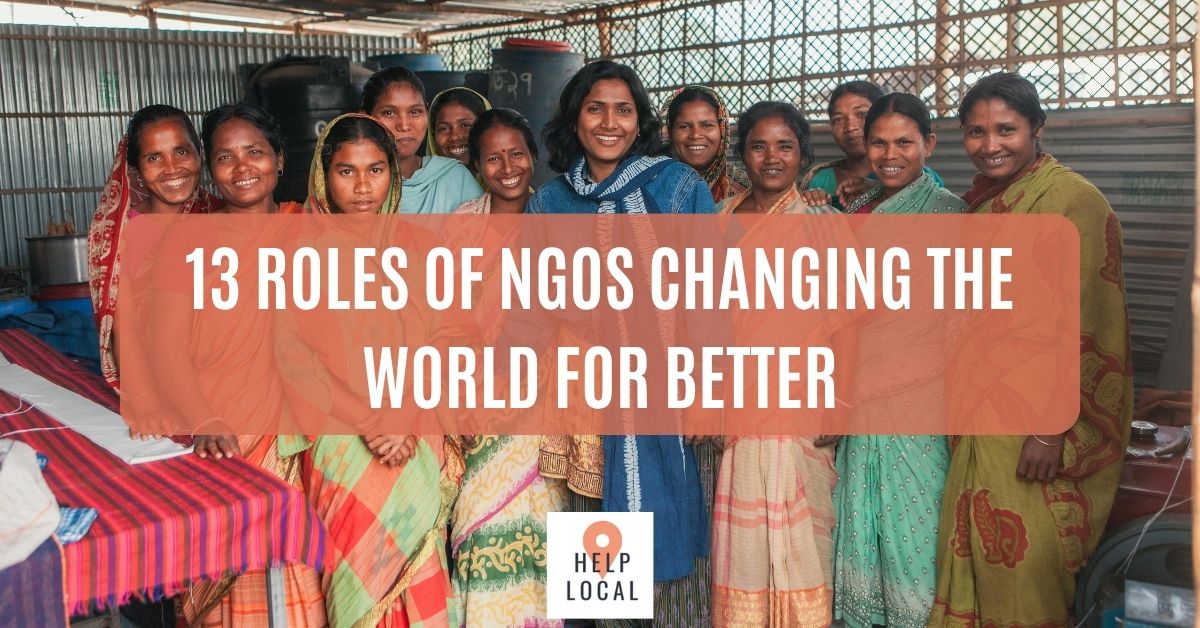
NGOs play an important part in helping communities across India. Their work covers many areas, including education, healthcare, women’s empowerment, child welfare, environmental protection, livelihoods, and human rights.
So, what are the main Roles of non governmental organizations?
13 Functions of NGOs
The Functions of ngos can be different depending on what a community needs. Some NGOs focus on education, while others work in healthcare, disaster relief, human rights, or environmental protection.
1. Education
NGOs help children continue their education by providing school supplies, scholarships, tutoring, digital learning, mentoring, and career guidance.
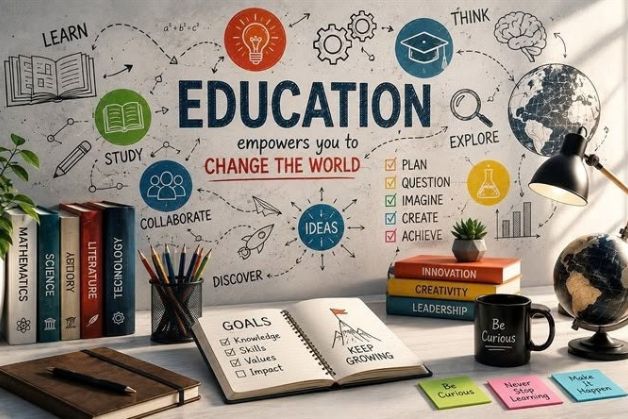
Learn more about education NGOs in India and ways to support children through donations.
2. Women’s Empowerment
The role of NGO in women’s empowerment includes skill training, financial literacy, employment support, entrepreneurship, and leadership opportunities.
Explore NGOs promoting women empowerment in India.
3. Healthcare
NGOs may organise medical camps, health screenings, awareness programmes, nutrition support, and treatment assistance, especially for communities with limited access to healthcare.

See the top healthcare NGOs in India.
4. Child Protection and Nutrition
NGOs support children who need extra help through education, nutrition, counselling, healthcare, rehabilitation, and protection services.
5. Senior Citizen Support
Many NGOs support senior citizens with food, healthcare, companionship, counselling, and community activities. Simple things like regular interaction and everyday assistance can make a real difference.

See free services and government schemes for senior citizens in India.
6. Disability Inclusion
NGOs may support people with disabilities through rehabilitation, assistive devices, vocational training, inclusive education, and employment opportunities.
Learn about invisible disabilities and NGO support in India.
7. Disaster Relief
When floods, cyclones, landslides, or other emergencies happen, NGOs may provide food, water, medicines, shelter, and other essential supplies. They can also help communities recover after the immediate crisis.
Read about the role of NGOs in disaster management.
8. Environmental Protection
The role of non governmental organizations in environmental protection includes tree plantation, waste management, water conservation, environmental education, and biodiversity protection.

9. Livelihoods and Skills
NGOs provide vocational training, employment guidance, entrepreneurship support, digital skills, and financial literacy.
This is an important role of NGO in social development, as these skills can help people find better opportunities and become more financially independent.
10. Technology and Digital Outreach
Technology makes it easier for NGOs to connect with donors, volunteers, and communities. It can also help with awareness campaigns, fundraising, communication, and organising programmes.
11. Grassroots Community Work
Local NGOs often understand the needs of their communities closely. They may connect families with education, healthcare, emergency support, and other useful resources.
For example, you can explore NGOs working for social welfare in Punjab.
12.Citizen Participation
Supporting an NGO does not always mean donating money. People can volunteer, donate useful items, share information, join campaigns, or offer their professional skills.
13. Human Rights
The role of NGO in protecting human rights includes creating awareness, supporting communities, documenting issues, advocating for people’s rights, and connecting them with relevant services.
Learn more about human rights NGOs in India.
How Can You Support NGOs in India?
There are many simple ways to support an NGO. You can donate, volunteer your time or skills, donate useful supplies, support fundraising campaigns, share reliable information, or help local organisations.
Before donating, take some time to learn about the organisation and how it uses donations and other support. The Government of India’s NGO-DARPAN platform can also help you find organisations.
Final Thoughts
The Work of ngos goes far beyond charity. NGOs support education, healthcare, women’s empowerment, livelihoods, environmental protection, human rights, and community development.
Understanding the Functions of ngos and the Role of non governmental organizations gives us a better idea of how NGOs support people and help build stronger, more inclusive communities.